
Back-to-school season brings a familiar wave of appointments: physical checkups, vision screenings, and the nagging question of whether a child needs to see an orthodontist. With kids' varied schedules, homework, and after-school activities competing for space on the calendar, it's tempting to push the matter into the future, but timing matters more than most parents realize.
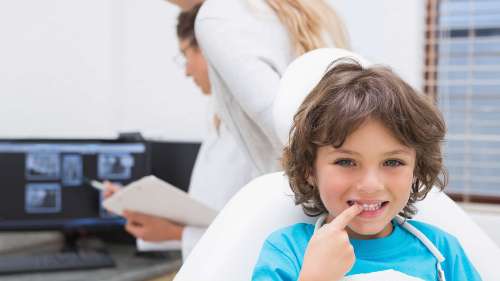
For North York parents, the back-to-school season is an ideal time for an orthodontic checkup. These professional evaluations often prove vital in determining whether treatment with braces or Invisalign®, or no treatment at all, is the appropriate decision.
Why Back-to-School Is the Ideal Time for an Orthodontic Checkup
So, with all of the commitments that come with back-to-school season, it can be tempting to question whether your child really needs to see an orthodontist.
Late summer offers a natural pause before schedules fill up with homework, sports, and after-school activities, making this one of the more convenient windows on the calendar to fit in an orthodontic evaluation. It's also a practical checkpoint: a full year has typically passed since last year's checkup. For kids as young as age 7, this is a great time to assess new jaw growth and any accompanying bite changes.
Rather than waiting for a problem to become obvious, an evaluation at this point in the year lets your family plan around the school calendar. This way, neither you nor your kids are stressed and scrambling to find appointment slots and the spare time to attend them during the semester.
Early At-Home Indicators Your Child Might Need an Evaluation
A few signs are worth watching for at home, even before your child's next scheduled dental visit:
- Crowded, overlapping, or noticeably crooked teeth
- Difficulty biting or chewing certain foods
- Teeth that don't meet properly when the jaw is closed
- Mouth breathing or snoring during sleep
None of these signs guarantee that orthodontic treatment is needed, but you're better served mentioning any of these at your child's next appointment than waiting to see if they simply resolve on their own.
Comparing Treatment Options: Braces vs. Invisalign First™
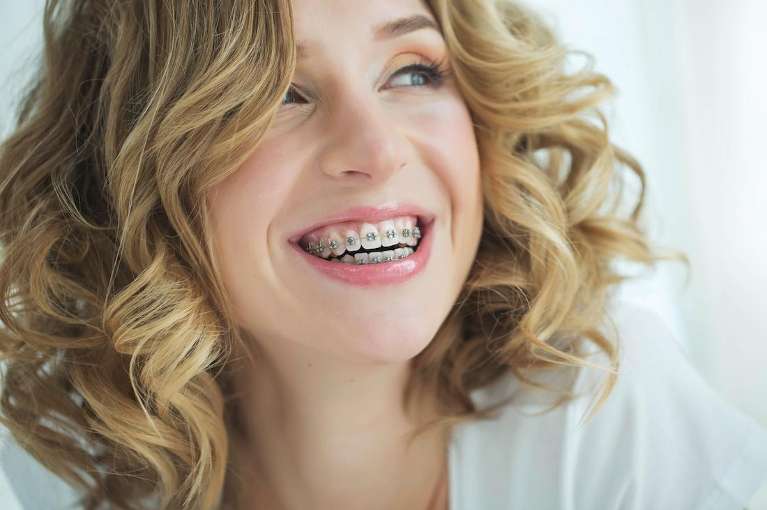
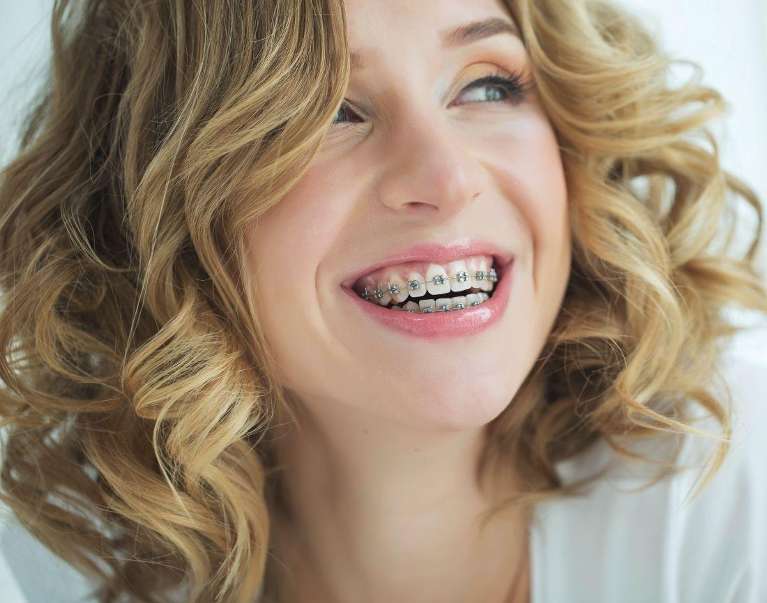
For school-aged kids, the day-to-day differences between braces and Invisalign First matter as much as the clinical details. Traditional braces are fixed in place, requiring minimal action from your child to maintain a proper treatment track. However, they come with more dietary restrictions, namely sticky candy and especially hard foods, and require more careful brushing and flossing around brackets and wires to avoid staining or decay.
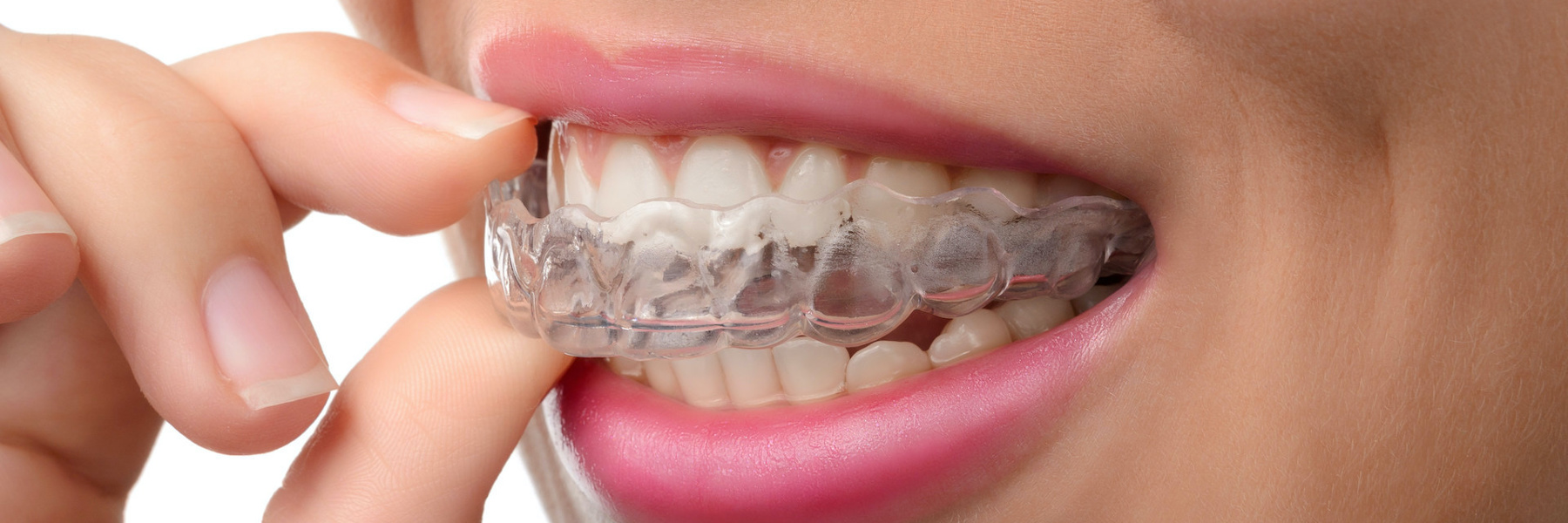
Invisalign First, designed specifically for younger patients still developing their permanent teeth, uses removable aligners that must be worn consistently, generally 20 to 22 hours a day. This places far more responsibility during the day on the child to stay on track. In exchange, however, aligners allow for removal for easier eating, no food restrictions, and simpler cleaning, since there's no hardware to navigate around with a toothbrush.
At Emery Village Dental, there isn't a strict minimum age for either option. Candidacy depends more on development than age alone. Some younger children benefit from early intervention to guide jaw growth, while others are better suited to waiting until more permanent teeth erupt to start active treatment.
When Observation Is Better Than Immediate Action
Not every concern calls for immediate treatment. In many cases, an orthodontist will recommend a period of observation to monitor how a child’s teeth and jaws continue to develop before committing to treatment. This is particularly common when a child still has significant growth ahead of them, as certain issues resolve or become clearer with time.
It’s worth noting that “observation” doesn't mean doing nothing. It means periodic checkups to track development and focused intervention, rather than starting treatment prematurely.
Questions to Ask During Your Orthodontic Consultation in North York
Compiling a short list of pertinent questions to take with you to an orthodontic consultation can go a long way in delivering clarity on your child’s development. You might consider asking:
- If we wait 6 to 12 months, what changes or milestones are we watching for?
- Are there any functional issues, like airway, bite alignment, or jaw expansion, that need to be addressed early?
- How frequently will we need to come in for adjustments or checkups?
These questions help you understand not just what's being recommended, but why, and what the alternatives to orthodontic treatment look like. A good consultation should leave you with a clear next step, whether that's starting treatment, a follow-up in several months, or simply continuing routine dental checkups as usual.
Making the Right Call for Your Schedule
Whatever the recommendation, it helps to know how it fits into your family's year ahead. Braces and Invisalign both involve periodic follow-up appointments. Understanding this commitment upfront, alongside your child's existing school and activity schedule, makes it easier to plan proactively instead of reacting as more complex and costly issues arise.
Back-to-School Orthodontic Evaluations in North York, ON
If you're in North York, Barrie, or elsewhere in the Toronto area and think your child might need orthodontic treatment with braces or Invisalign, contact Dr. Song and the knowledgeable Emery Village Dental team to schedule an evaluation.